
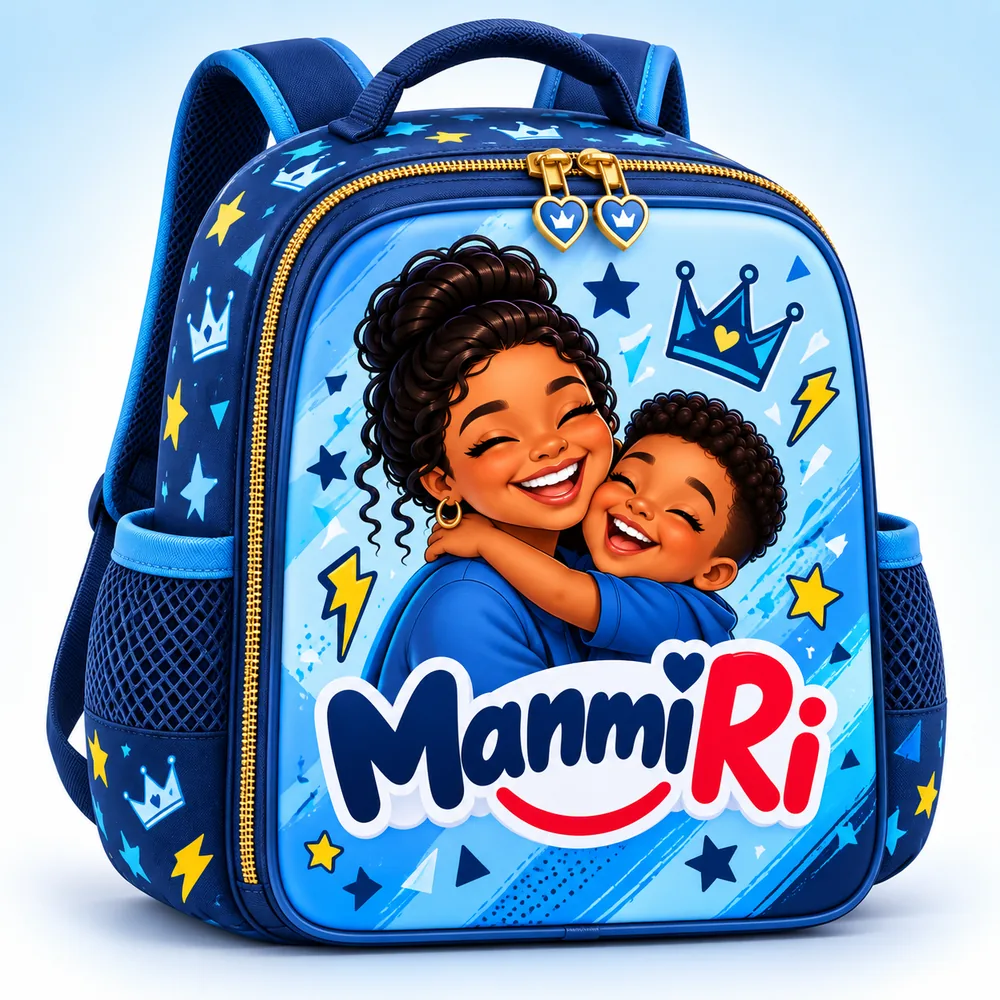
A school backpack should fit the child, hold the daily essentials, and remain easy to organize. Color and character matter to kids, but caregivers should also look at size, straps, compartments, and how the bag feels when packed.
Start with the child’s size
The backpack should sit close to the back without hanging far below the waist. Adjustable shoulder straps help create a secure fit. Ask the child to try the bag with a realistic light load rather than judging an empty backpack alone.
Plan around the school day
List what must travel each day: notebooks, a pencil case, lunch, a water bottle, and any teacher-requested supplies. Choose enough space for those items without buying a bag so large that it encourages overpacking.
Use compartments intentionally
Place heavier, flatter items closest to the back. Keep a water bottle upright in its designated pocket when available. Small supplies are easier to find in a pencil case or front compartment.
Build a weekly reset
Once a week, remove old papers, food containers, and unnecessary items. Wipe the bag according to its care label and repack the next day’s essentials.
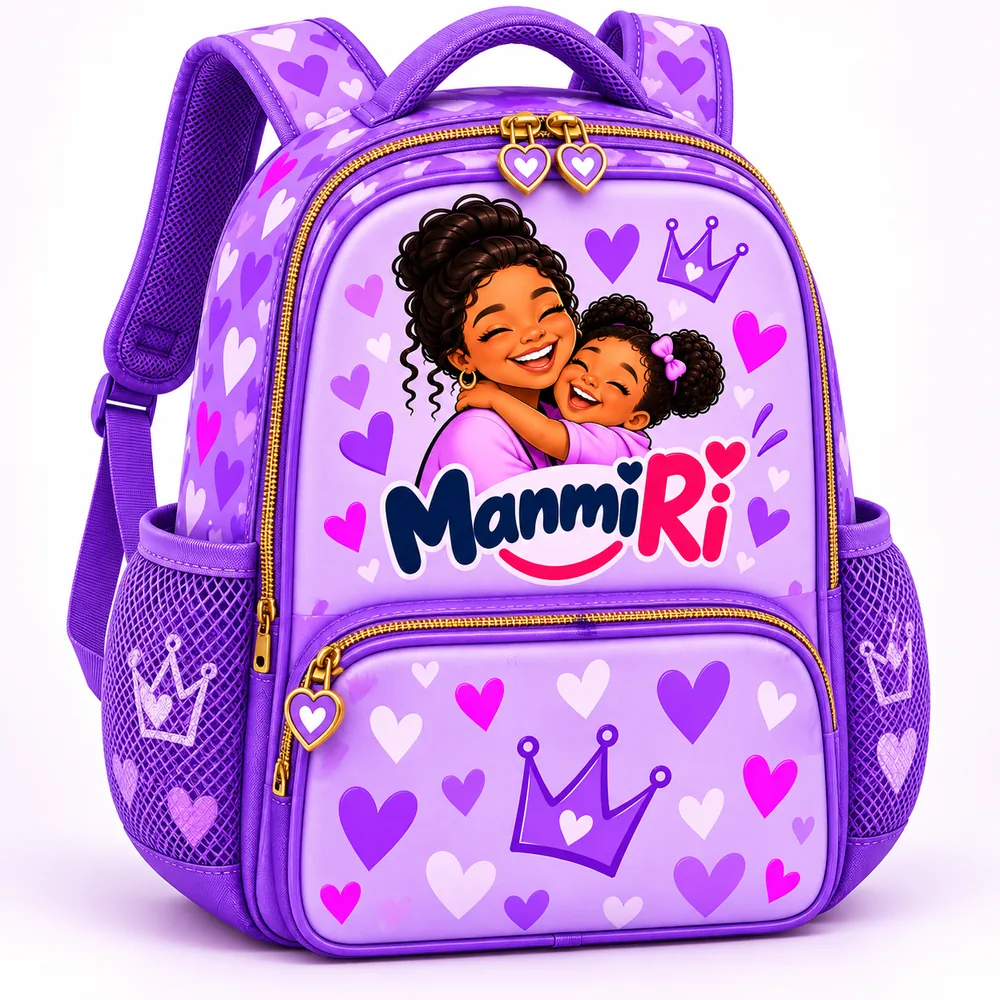
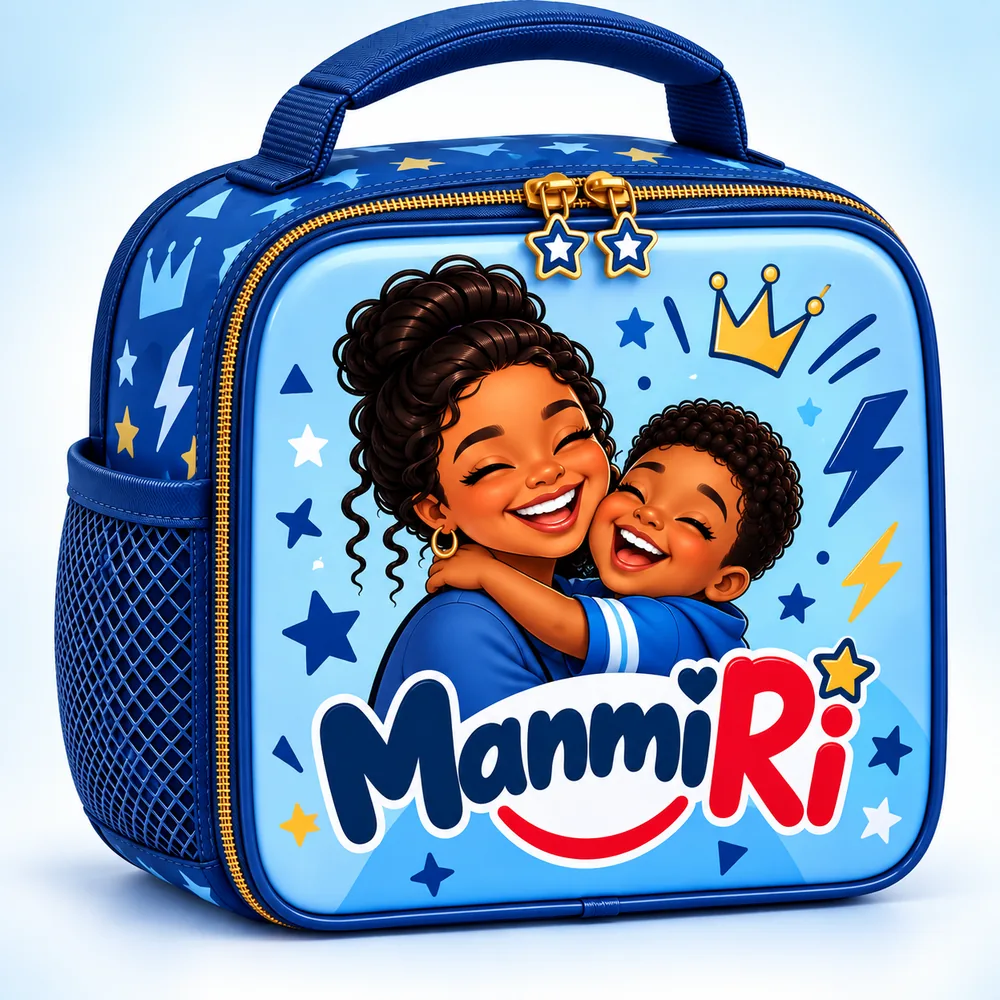
Browse boys and girls school backpacks, lunch boxes, pencil cases, notebooks, and water bottles in the ManmiRi school collection.
Frequently Asked Questions
How should a school backpack fit a child?
It should sit close to the back, avoid hanging far below the waist, and use adjusted shoulder straps for a secure fit.
How large should a kids backpack be?
Choose enough room for required daily items without encouraging unnecessary overpacking.
Where should heavier items go in a backpack?
Place heavier, flatter items closest to the child’s back and keep smaller supplies in organized compartments.
How often should a school backpack be emptied?
A weekly reset helps remove old papers, food containers, and items that are no longer needed.
Get Ready for School
Explore ManmiRi backpacks, lunch boxes, pencil cases, and school accessories.